

Our amazing world
- Thread starter Maddo
- Start date
You are using an out of date browser. It may not display this or other websites correctly.
You should upgrade or use an alternative browser.
You should upgrade or use an alternative browser.




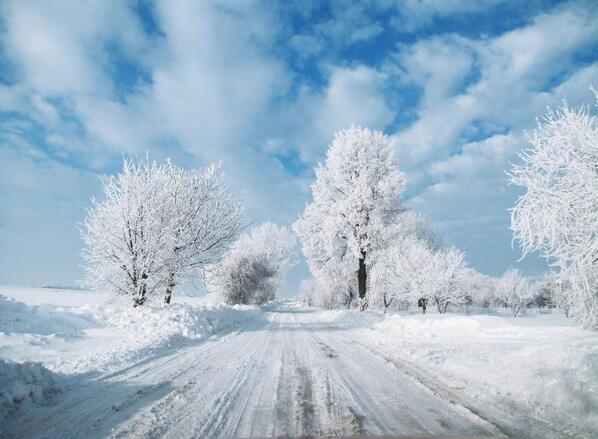

First snow fall in late October at Craig Lake State Park here in the upper peninsula (my 2nd favorite kayaking spot)

Mackinac Bridge - Where Lake Huron and Lake Michigan meet.

Mackinac Bridge - Where Lake Huron and Lake Michigan meet.




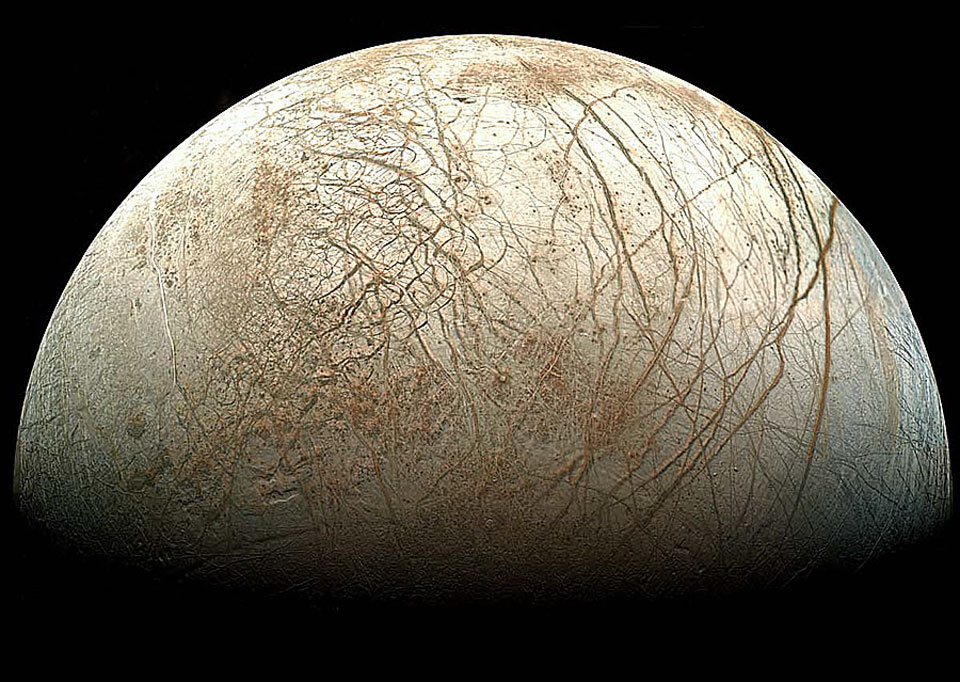
http://apod.nasa.gov/apod/ap131215.html


Jimmy The Cat
Mildly Menacing Medic


That was one hell of a ice storm just came through..lol.
I'm surprised no one has mentioned the Eiffel Tower spire behind that Sphinx.Am I the only one who feels weird looking at this?

So, I've just come from Mexico where I was not only drinking my ass off, but also managed to get a tour to Maya's ancient city called Chichen Itza which is considered to be one of the New Seven Wonders of the World.... Everything was cool and spectacular, but obviously, the most interesting thing was Kukulkan Temple. It turns out there is a smaller pyramid inside this one. I'm just shocked as to what kind of knowledge in astronomy and mathematics Mayas had. It's really astonishing:

